
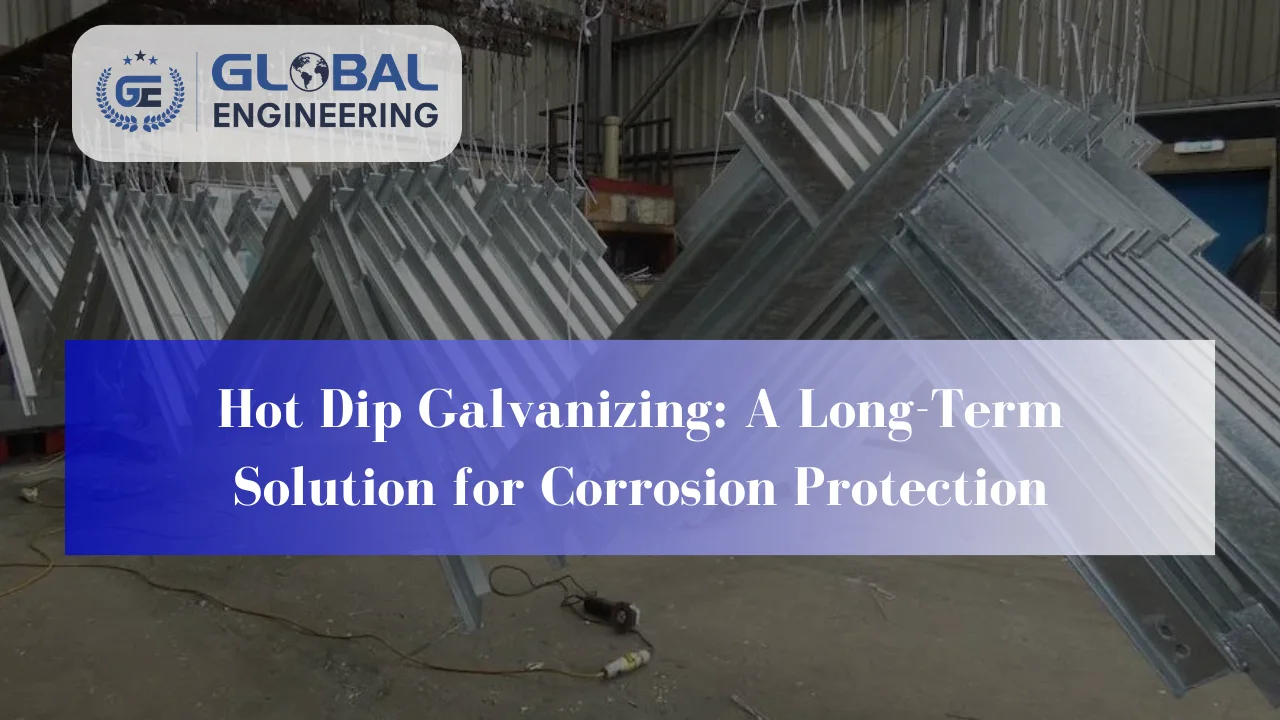
Corrosion is one of the most common challenges faced by steel structures and metal components used in industrial, construction, and infrastructure projects. When steel is exposed to moisture, chemicals, and environmental conditions, it gradually begins to rust and deteriorate. This not only affects the strength and appearance of the structure but also increases maintenance and replacement costs. To overcome this problem, hot dip galvanizing has become one of the most reliable and widely used corrosion protection methods across industries.
Hot dip galvanizing is a process in which steel or iron components are coated with a protective layer of molten zinc. This zinc coating forms a strong barrier between the metal surface and environmental elements such as air, moisture, and chemicals. As a result, the steel becomes highly resistant to corrosion and can last for decades without significant damage.
What is Hot Dip Galvanizing?
Hot dip galvanizing is a metallurgical process where steel parts are cleaned and then immersed in a bath of molten zinc at high temperatures. During this process, the zinc reacts with the steel surface and forms multiple layers of zinc-iron alloy. These layers provide strong adhesion and superior protection against rust and corrosion.
Unlike other protective coatings, hot dip galvanizing protects the metal in two ways. First, the zinc coating acts as a physical barrier that prevents moisture and oxygen from reaching the steel surface. Second, zinc provides cathodic protection, which means it sacrifices itself to protect the underlying steel even if the coating is slightly damaged.
Hot Dip Galvanizing Process
Hot dip galvanizing is a process used to protect steel and iron from corrosion by coating them with a layer of molten zinc. In this method, the metal surface is first cleaned to remove grease, dirt, and rust. After cleaning and chemical treatment, the steel is dipped into molten zinc at around 450°C. The zinc reacts with the steel and forms a strong protective coating that prevents rust and increases the lifespan of the metal.
- Surface Cleaning – Steel is cleaned to remove oil, grease, and dirt.
- Pickling – The metal is dipped in acid to remove rust and scale.
- Rinsing – The material is washed with water to remove acid residue.
- Fluxing – A flux solution is applied to prevent oxidation and help zinc bonding.
- Galvanizing – The steel is dipped into molten zinc at about 450°C to form a protective coating.
- Cooling & Inspection – The galvanized steel is cooled and checked for coating quality and thickness.
Long-Term Benefits of Hot Dip Galvanizing
- Superior Corrosion Resistance
One of the biggest advantages of hot dip galvanizing is its ability to provide long-term protection against corrosion. The zinc coating shields the steel from environmental exposure, significantly increasing its lifespan even in harsh conditions. - Extended Service Life
Galvanized steel can last for decades without requiring major maintenance. This makes it an ideal solution for infrastructure projects, industrial equipment, and outdoor structures where durability is essential. - Low Maintenance Cost
Since galvanized steel resists rust and corrosion for a long period, it reduces the need for frequent repairs, repainting, or replacements. This helps industries save significant maintenance costs over time. - Complete Surface Protection
Hot dip galvanizing covers the entire surface of the steel component, including corners, edges, and hard-to-reach areas. This ensures uniform protection and eliminates weak spots that could lead to corrosion. - Strong and Durable Coating
The zinc-iron alloy layers formed during galvanizing create a tough coating that is resistant to mechanical damage, abrasion, and impact.
Industrial Applications of Hot Dip Galvanizing
Hot dip galvanizing is widely used in different sectors where steel structures require long-term durability and corrosion protection. Some common applications include:
- Transmission towers and power structures
- Industrial equipment and machinery
- Steel pipes and storage tanks
- Construction structures and bridges
- Agricultural equipment and fencing
- Highway guardrails and street lighting poles
Why Industries Prefer Reliable Galvanizing Services
For effective corrosion protection, the quality of the galvanizing process is extremely important. Proper surface preparation, accurate temperature control, and high-quality zinc coating are essential factors that determine the performance and longevity of galvanized steel.
Global Engineering is well recognized for providing reliable and high-quality galvanizing solutions that meet industrial standards. With advanced processing techniques and strict quality control, we ensure that each galvanized product delivers strong corrosion resistance and long service life for various industrial and infrastructure applications.
Conclusion
Hot dip galvanizing has proven to be one of the most effective and economical solutions for protecting steel from corrosion. Its ability to provide long-lasting durability, low maintenance requirements, and complete surface coverage makes it the preferred choice for industries worldwide.
With the support of experienced companies like Global Engineering- best Hot Dip Galvanizing Service, industries can ensure that their steel components receive high-quality galvanizing treatment, helping them maintain strength, reliability, and performance for many years.