
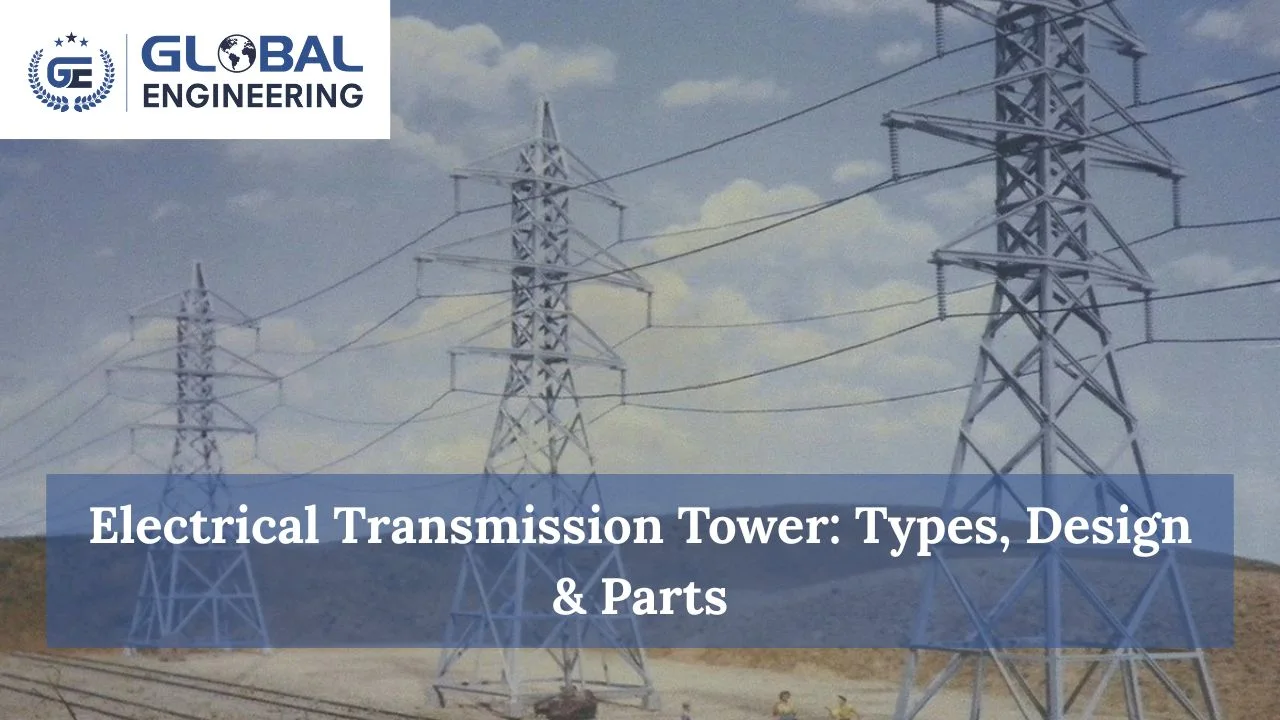
Global Engineering is a well-known name in the power infrastructure sector, recognized for its expertise in designing and manufacturing high-quality structures used in electrical networks. We design robust tower solutions that provide long-term strength, safety, and performance under diverse environmental conditions. One of the most critical components of any power distribution system is the Electrical Transmission Tower. These towers form the backbone of electricity transmission, safely carrying power over long distances from generating stations to substations and cities.
What Is an Electrical Transmission Tower?
A transmission tower, also commonly called an electric tower, is a tall structure used to support overhead power lines. These towers carry high-voltage electricity across vast areas, ensuring uninterrupted power supply to industries, businesses, and households. Without a proper tower line network, reliable electricity distribution would not be possible.
Transmission Tower Types
There are 5 different types of towers commonly used in power transmission networks. Each type serves a specific purpose depending on terrain, voltage level, and line direction.
- Suspension Tower: Suspension towers are used on straight routes where the transmission line does not change direction. They mainly support the weight of conductors and are the most commonly used transmission tower types.
- Tension (Angle) Tower: These towers are installed where the line changes direction. They are designed to handle additional mechanical tension caused by angle deviation.
- Dead-End Tower: Dead-end towers are used at the end of a transmission line or at major direction changes. They are built to withstand very high tension loads.
- Transposition Tower: These towers help change the position of conductors to balance electrical load and reduce interference. They are used in specific sections of long-distance lines.
- Special Crossing Tower: Special crossing towers are taller structures used for crossing rivers, highways, railways, or valleys. Their height ensures safety and clearance.
Global Engineering provides all these transmission tower types with customized designs based on project requirements.
Transmission Tower Design Considerations
The design of a transmission tower is a complex engineering process that balances strength, safety, and cost-effectiveness. Some key design factors include:
- Voltage level of the transmission line
- Wind and seismic load conditions
- Terrain and soil characteristics
- Span length between towers
- Type of conductors and insulators
A well-planned Line Tower Structure ensures minimal maintenance and long service life. Global Engineering focuses on precision engineering to offer and provide towers that meet national and international standards.
Main Parts of an Electrical Transmission Tower
Understanding the parts of a transmission tower helps in appreciating its structural integrity and functionality.
- Foundation: The foundation anchors the tower firmly to the ground. It is designed based on soil type and load requirements.
- Tower Body: The main vertical structure supports the conductors and insulators. It is typically made of galvanized steel for strength and corrosion resistance.
- Cross Arms: Cross arms extend horizontally from the tower body and hold the conductors at a safe distance from each other.
- Insulators: Insulators prevent electrical current from flowing into the tower body. They ensure safe transmission of electricity.
- Peak and Earth Wire: The peak supports earth wires that protect the system from lightning strikes.
Each component works together to ensure the safe and efficient operation of the electric tower.
Why Choose Global Engineering
Global Engineering combines technical expertise, modern manufacturing facilities, and strict quality control to deliver reliable transmission solutions. Our company is committed to designing structures that offer durability, safety, and performance. With a focus on customer satisfaction and engineering excellence, Global Engineering has become a trusted partner in the power transmission sector.
An electrical transmission tower is more than just a steel structure it is a vital element of modern power infrastructure. Understanding the transmission tower types, design principles, and parts helps in appreciating their role in reliable electricity supply. From suspension towers to special crossing towers, all 5 different types of towers serve unique functions within a tower line network. With expertly engineered Line Tower Structure solutions from Global Engineering, power transmission systems achieve strength, efficiency, and long-term reliability.