
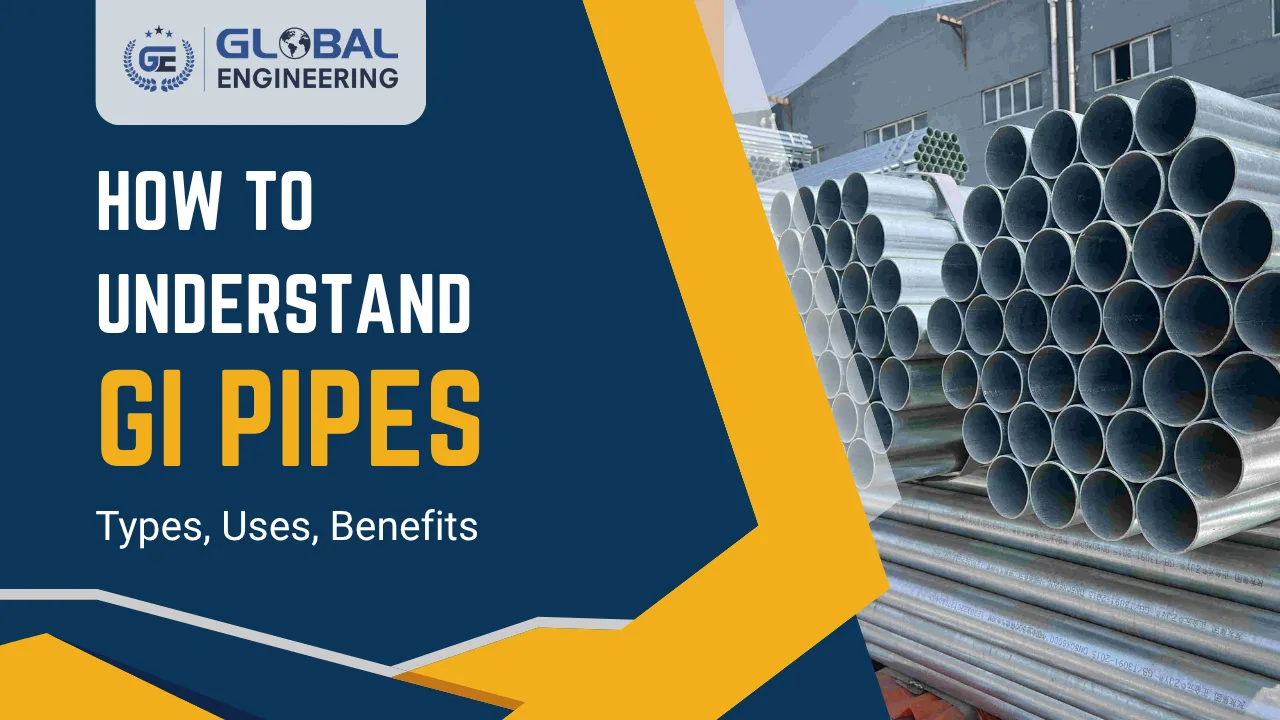
GI pipes, made with Galvanized Iron, are the most widely used piping solutions in various industries and construction projects. Known for their durability, corrosion resistance, and long service life, GI pipes are commonly used for water supply, irrigation systems, industrial applications, and structural purposes. Understanding GI pipes can help contractors, engineers, builders, or homeowners to select the best piping solution for their project.
What is GI Pipe?
GI (Galvanized Iron) pipes, these are steel pipes coated with a protective layer of zinc through a galvanization process. This zinc coating prevents rust and corrosion, making the pipes suitable for applications where moisture and environmental exposure are common.
Galvanization process of GI Pipes creates a durable protective barrier that significantly increases the lifespan of the pipe while reducing maintenance requirements. Because of their strength and corrosion resistance.
GI Pipe Full Form and Meaning
GI Pipe stands for Galvanized Iron Pipe.
What is Galvanized Iron? GI Full Form in Metal
GI stands for Galvanized Iron. In the metal industry, GI refers to iron or steel that has been coated with a protective layer of zinc through the galvanization process. This zinc coating helps prevent rust and corrosion, making GI metal highly durable and suitable for construction, roofing, pipes, fencing, and industrial applications.
Why is it Called “Galvanized”?
The term “galvanized” comes from the name of Italian scientist Luigi Galvani, whose work on electricity inspired later developments in electrochemical processes.
In manufacturing, galvanization refers to the process of applying a protective zinc coating to iron or steel to prevent corrosion.
How are GI Pipes Manufactured?
The manufacturing process of GI pipes involves several steps:
- High-quality steel pipes are produced.
- The pipes undergo cleaning and surface preparation.
- Pipes are immersed in molten zinc through a hot-dip galvanizing process.
- The zinc coating forms a protective layer on the pipe surface.
- Quality inspection and testing are conducted to ensure durability and compliance with industry standards.
At Global Engineering, GI pipes are manufactured using advanced technology and strict quality control measures to ensure superior performance and long-lasting reliability.
Types of GI Pipes
GI pipes are available in different types and classifications based on wall thickness and application requirements.
1. Light Class GI Pipes
Light class GI pipes are designed for low-pressure applications. They are commonly used in residential plumbing systems, water distribution, and light-duty industrial operations.
Features:
- Lightweight design
- Easy installation
- Cost-effective solution
- Suitable for low-pressure systems
2. Medium Class GI Pipes
Medium class pipes offer better strength and durability than light class pipes. They are widely used in commercial buildings, agricultural systems, and industrial water supply networks.
Features:
- Moderate wall thickness
- Good pressure handling capability
- Suitable for multiple applications
- Long service life
3. Heavy Class GI Pipes
Heavy class GI pipes are manufactured with thicker walls to withstand high-pressure environments and demanding industrial applications.
Features:
- High mechanical strength
- Excellent durability
- Suitable for heavy-duty operations
- Enhanced corrosion resistance
Common Sizes of GI Pipes
GI pipes are available in various diameters and lengths to meet different project requirements. Common sizes include:
- 15 mm (½ inch)
- 20 mm (¾ inch)
- 25 mm (1 inch)
- 32 mm (1¼ inch)
- 40 mm (1½ inch)
- 50 mm (2 inch)
- 65 mm (2½ inch)
- 80 mm (3 inch)
- 100 mm (4 inch)
The appropriate pipe size depends on factors such as flow rate, pressure requirements, and intended application.
Applications of GI Pipes
GI pipes are used across numerous industries because of their versatility and durability.
Water Supply Systems
GI pipes are extensively used for transporting potable water in residential, commercial, and industrial buildings. Their corrosion-resistant properties help maintain water quality over time.
Agriculture and Irrigation
Farmers use GI pipes in irrigation systems to transport water efficiently across fields. Their ability to withstand outdoor conditions makes them ideal for agricultural applications.
Industrial Applications
Many industries utilize GI pipes for fluid transportation, compressed air systems, and process piping due to their strength and reliability.
Fire Fighting Systems
GI pipes are commonly installed in fire sprinkler systems and firefighting networks because of their durability and pressure resistance.
Structural Applications
Construction companies use GI pipes for scaffolding, fencing, handrails, sheds, support structures, and framework installations.
Plumbing Systems
GI pipes remain a popular choice for plumbing systems in buildings where long-lasting performance is required.
Benefits of GI Pipes
Excellent Corrosion Resistance
The zinc coating protects the steel surface from rust and environmental damage. This significantly extends the service life of the pipe.
Long Service Life
GI pipes can last for decades when installed and maintained properly, making them a cost-effective investment.
High Strength and Durability
These pipes can withstand high pressure, mechanical stress, and harsh operating conditions, making them suitable for demanding applications.
Low Maintenance
The protective zinc coating minimizes the need for frequent repairs and maintenance, reducing overall operating costs.
Cost-Effective Solution
Although GI pipes may have a slightly higher initial cost compared to some alternatives, their durability and long lifespan provide excellent value over time.
Easy Installation
GI pipes can be easily cut, threaded, and connected using standard fittings, simplifying installation processes.
Versatile Applications
Their adaptability allows GI pipes to be used in residential, commercial, agricultural, and industrial projects.
Eco-Friendly Material
Steel and zinc are recyclable materials, making GI pipes an environmentally responsible choice for modern infrastructure projects.
Factors to Consider When Choosing GI Pipes
Before selecting GI (Galvanized Iron) pipes, consider the following factors:
- Pipe Size: Choose a diameter that matches the required flow rate and pressure conditions.
- Pressure Rating: Ensure the pipe can withstand the operating pressure of the system.
- Application Environment: Consider exposure to moisture, chemicals, temperature variations, and external conditions.
- Quality Standards: Always select pipes manufactured according to recognized industry standards.
- Supplier Reputation: Working with a reliable manufacturer like Global Engineering ensures product quality, consistency, and dependable performance.
Maintenance Tips for GI Pipes
To maximize the lifespan of GI pipes:
- Conduct regular inspections for signs of wear.
- Clean the pipe surface when necessary.
- Repair damaged coatings promptly.
- Avoid excessive mechanical impact.
- Ensure proper installation and support.
Routine maintenance helps maintain optimal performance and extends service life.
Why Choose Global Engineering for GI Pipes?
Global Engineering is a leading manufacturer and supplier of premium-quality GI pipes designed for industrial, commercial, agricultural, and residential applications. The company focuses on high quality hot dip galvanizing service, advanced production techniques, and strict quality control standards to deliver products that meet customer expectations.
Key advantages include:
- High-quality raw materials
- Advanced galvanization technology
- Wide range of sizes and specifications
- Excellent corrosion resistance
- Reliable performance
- Competitive pricing
- Timely delivery and customer support
Conclusion
GI pipes continue to be one of the most trusted piping solutions across various industries due to their durability, corrosion resistance, strength, and cost-effectiveness. Understanding the different types, applications, and benefits of GI pipe helps users make informed decisions when selecting piping systems for their projects.